Browse Items (1152 total)

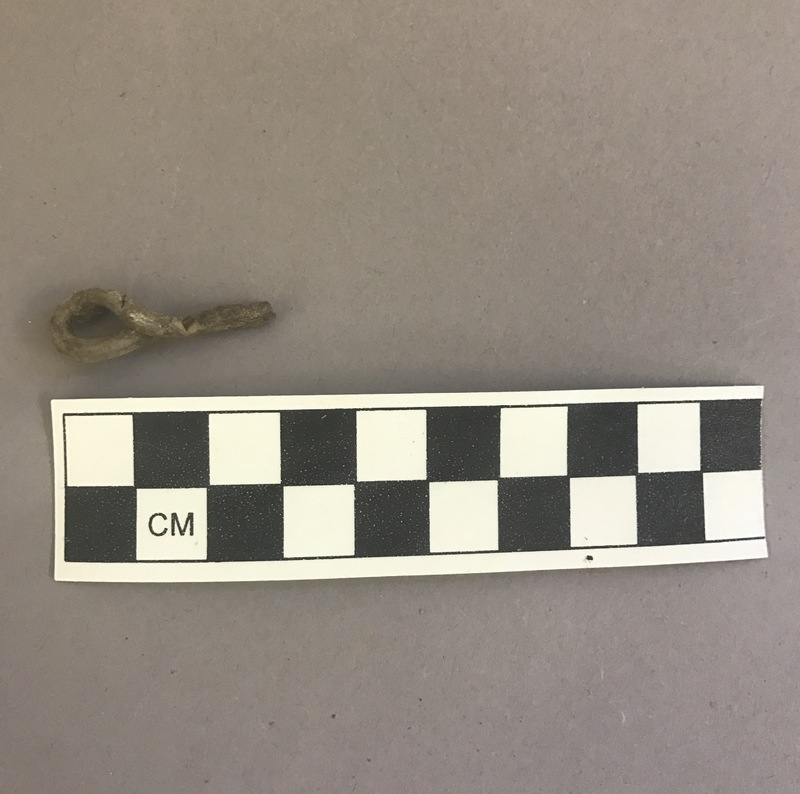
The malleability of lead made it a popular choice for building components.  Due to its low melting point, lead is rarely found fully in tact and is typically bent or twisted.

Tags: ,

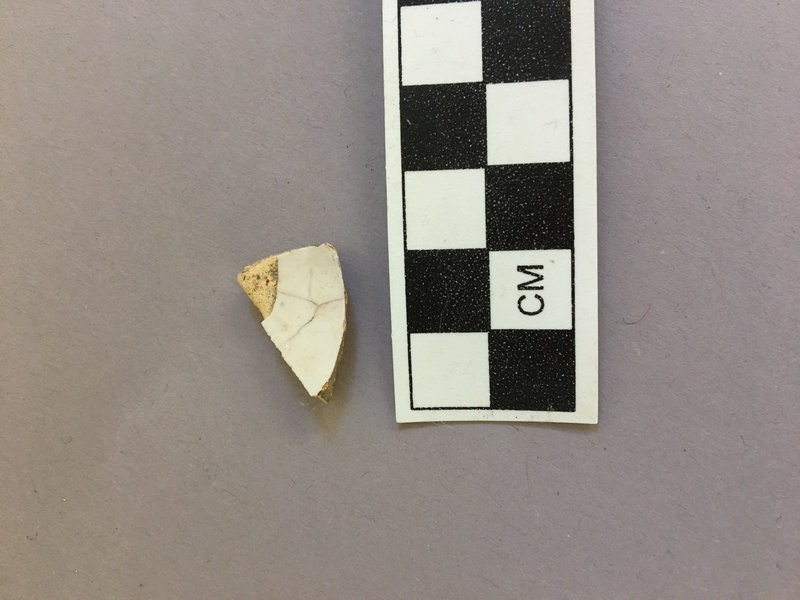
Tin-glazed earthenware sherd. This ceramic sherd is distinguishable as tin-glazed earthenware by its buff pasty and shiny, fragile glaze. It is 1.9 cm long, 1.2 cm wide, and 0.4 cm thick.
Porcelain Sherd- Top2.png
Blue and white, flat, triangular piece of Chinese porcelain. Slightly curved on the tip opposite of the design. Thickness increases towards this tip.

Tags: ,

Image One

Tags: ,

In the hurried production of the coin, some of the 1864 minted pieces were accidentally made with a smaller motto.

Tags: , ,

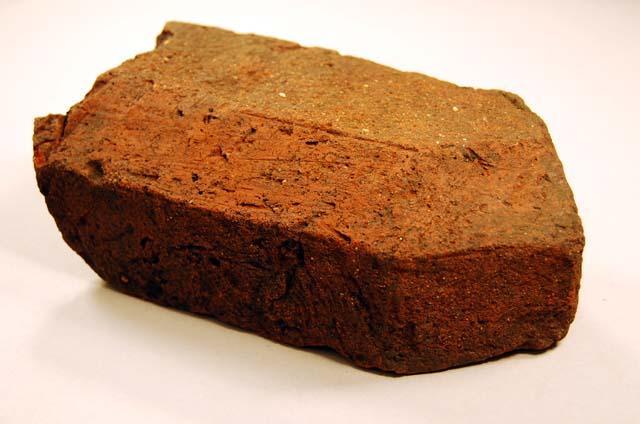
Seventeenth-century red clay brick that was likely used in the original construction of the chimneys or cellar floor of the Old College (begun 1638, completed 1643).

Tags: ,

Red Clay Tobacco Pipe Bowl

Tags: , ,

This flint glass fragment is clear, but has a grey tint. The body of the glass is smooth to the touch and has a rounded edge that is often found in tavern glasses, or "thumpers".

Tags: , ,

Fragment of wine bottle
During the 19th century, some students at Harvard could barely afford to eat as is evidenced by students’ inability to find decent and affordable food after the closure of dining halls in 1825. The excavation of this wine bottle draws attention to…

Tags: ,

Six fragments of a bottle of Hood's Sarsaparilla, a popular brand in the late 19th and early 20th Centuries that was produced in Lowell, MA. Embossed lettering indicates the contents and manufacturer.

Tags: , ,

http://pmem.unix.fas.harvard.edu:8080/peabody/internal/media/dispatcher/384564/resize:format$003dfull
Brick, fragment, nine-sided, brownish-red, wedge-shaped at one end
http://pmem.unix.fas.harvard.edu:8080/peabody/internal/media/dispatcher/290551/resize:format$003dfull
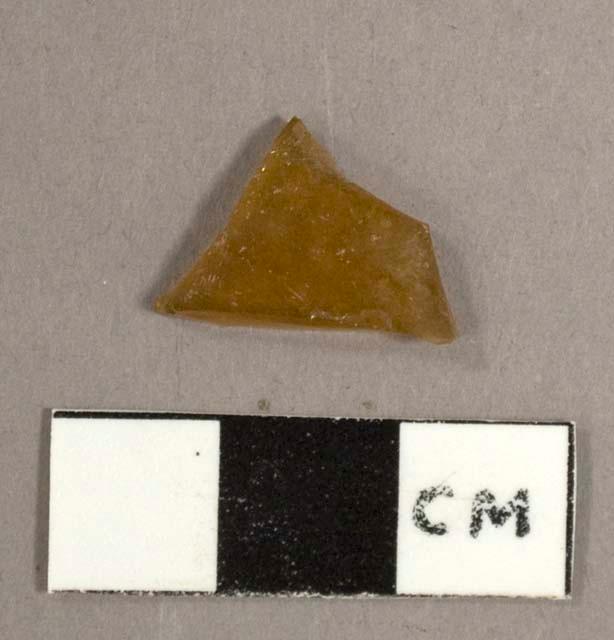
Glass, fragment, flattened, yellow-brown
Output Formats

atom, csv, dcmes-xml, json, omeka-xml, rss2