White Clay Pipe Bowl Pieces (Archaeological Find)
Files

Title:
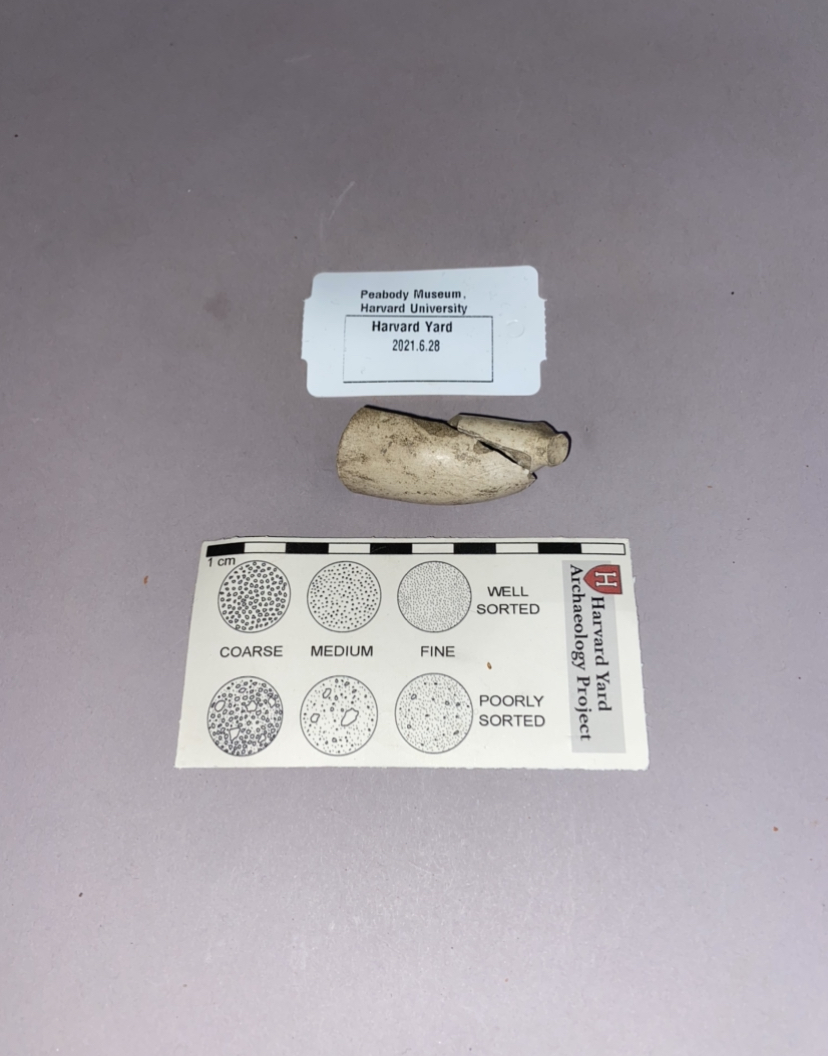
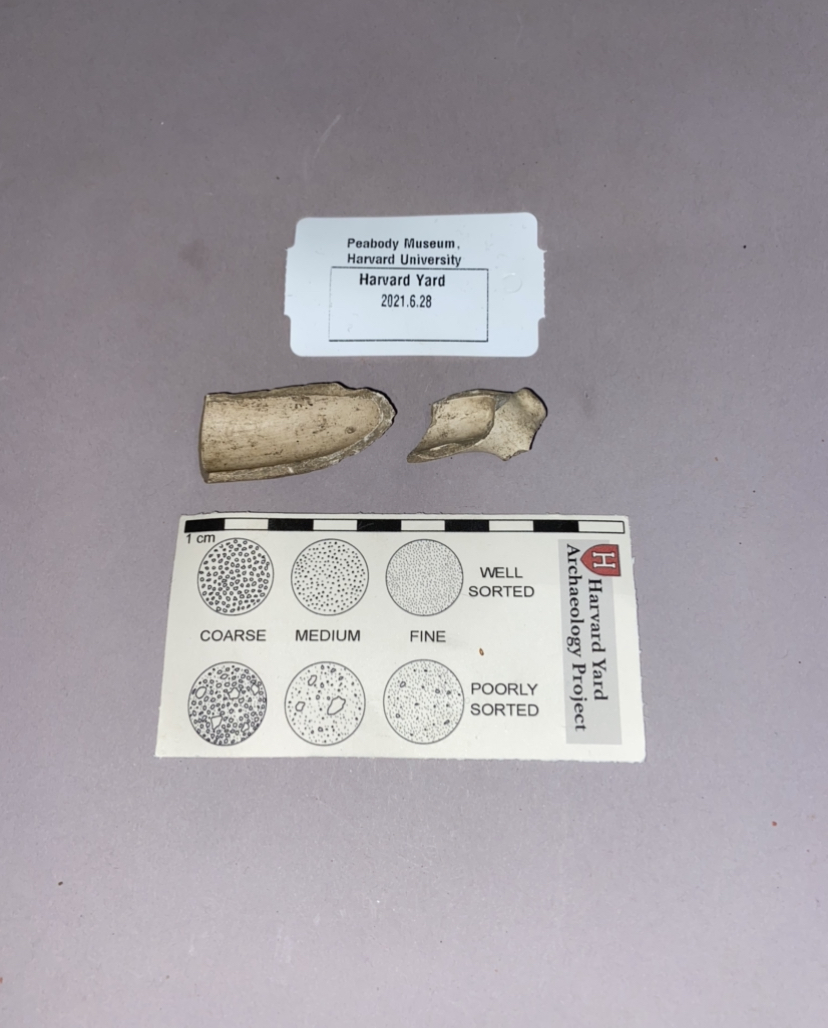
White Clay Pipe Bowl Pieces
Subject:
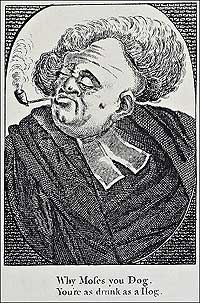
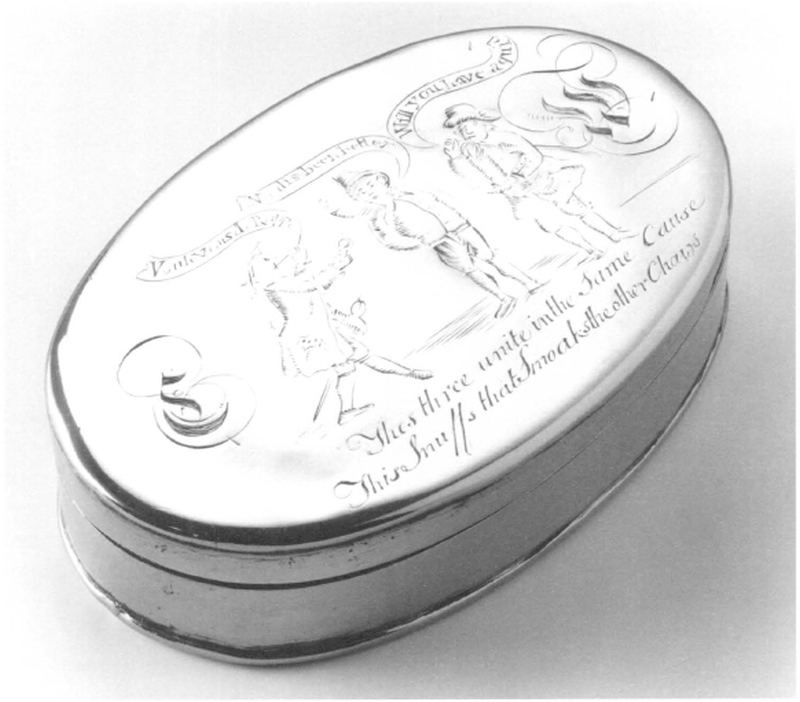
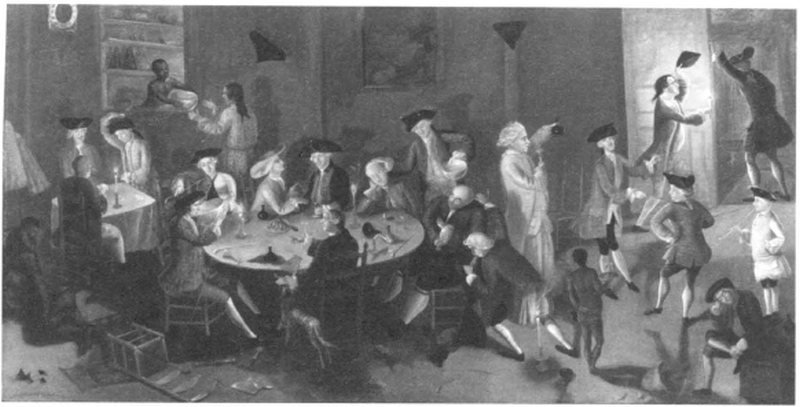
A tobacco pipe is kept hidden not-too-well for ease of access within the drawers of a 18th century Harvard student, along with a box of tobacco, and a. This white clay tobacco pipe is a symbol of leisure, vice, and medicine. Originally introduced by Native Americans to English colonists, over the 15th-18th centuries, smoking became a popular past time, opportunity for socialization, and medicinal treatment (“History of Tobacco Use in America.”). The earliest forms of tobacco pipes were made with red clay native to North America, but as trade routes became more sophisticated, white clay pipes imported from Europe became predominant to the New England area (Hume 1969). This white clay bowl found at Harvard Yard likely came from the 18th century according to Hume’s typology of pipe bowls. It is interesting that so many pieces of pipe like this are found in Harvard Yard, for at the time, smoking was prohibited at Harvard, as it was deemed a useless vice and a sign of over-indulgence by Puritan standards. However, this didn’t stop Harvard students from partaking in smoking. Since clay pipes and tobacco were relatively cheap by the 18th century, smoking was an activity that was widely available to nearly all social classes (Hume 1969). Perhaps smoking provided an opportunity for lower-class students to mingle and interact with wealthy students. Smoking could likely then be an activity that bonded students together through rule-breaking and the breaking of social barriers.
Source:
“Beer and Some Tobacco.” Peabody Museum. Accessed February 23, 2022. https://www.peabody.dev.fas.harvard.edu/node/2009.
“History of Tobacco Use in America.” Swedish. Accessed February 23, 2022. https://www.swedish.org/classes-and-resources/smoking-cessation/history-of-tobacco-use-in-america.
Hume, Ivor Noël. “Hunting for a Little Ladle, Tobacco Pipes.” Hunting for a Little Ladle: Tobacco Pipes | The Colonial Williamsburg Official History & Citizenship Site, 2002. https://research.colonialwilliamsburg.org/Foundation/journal/Winter03-04/pipes.cfm.
Hume, Ivor Noel. “Tobacco Pipes and Smoking Equipment.” Chapter. In A Guide to Artifacts of Colonial America, 296–312. Vintage Books, 1969.
Siefke Estill, Madeline. “Colonial New England Silver Snuff, Tobacco, and Patch Boxes: Indices of Gentility.” Colonial Society of Massachusetts. Accessed February 23, 2022. https://www.colonialsociety.org/node/1357.
Object Name:
White Clay Pipe Bowl Pieces
Inventory Description:
2 pieces of white clay pipe bowl that fit together
Peabody Number:
2021.6.28
Culture/Period:
1700-1790
Intrasite:
H972 Level 3
Depth:
20-22cm
Class 1:
Ceramic
Class 2:
Pipe
Class 3:
Pipe Bowl
Quantity:
2
Height (cm):
4.4
Width (cm):
0.3
Depth/Thickness (cm):
2.2
Notes:
These two pieces form a pipe bowl; the dimensions of the larger piece were taken.
Century:
18th Century